在 Mac 上无线调试 Android 设备
· 2 min read ·

记录如何在 Mac 上通过 ADB 无线调试 Android 设备,以及首次配对和后续快速连接的操作步骤
记录如何在 Mac 上通过 ADB 无线调试 Android 设备,以及首次配对和后续快速连接的操作步骤
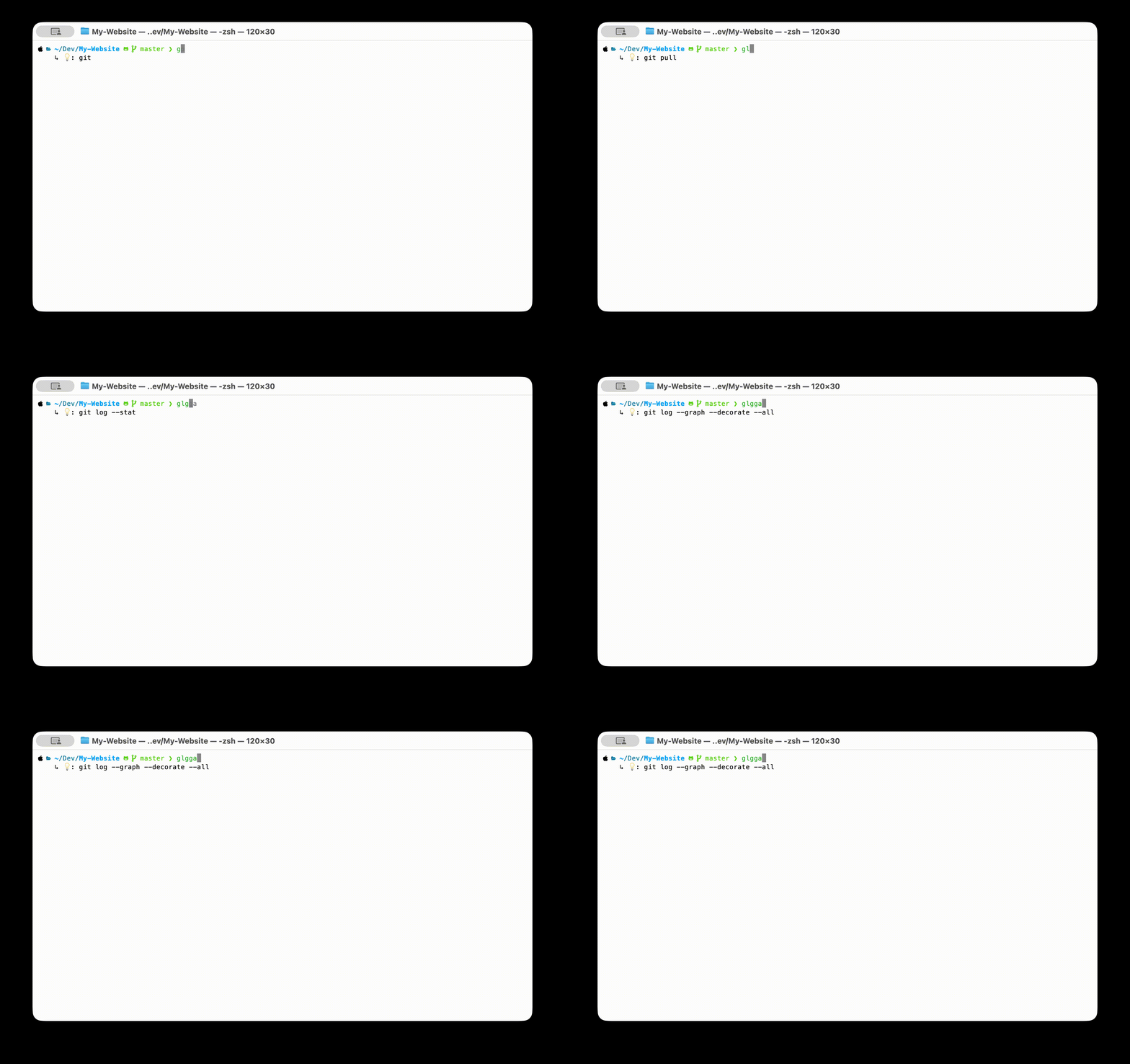
alias 用多了之后就有一个问题:敲 gco 的时候记得它是 git checkout,但 gcb 是什么来着?dcu 又是什么?通常的做法是 which gcb 看一眼再回来重敲一遍,挺打断思路的。笔者写了个 Zsh 插件,在敲命令的时候直接把 alias 展开后的内容显示在 message area,免去这一步
同一台机器同时有局域网 IP 和 Tailscale IP 时,可以让 SSH 先试本地地址,失败后自动回退到 Tailscale
远程过程调用, 可以理解为让调用远端服务"像调用本地函数一样"
本篇介绍以下内容:
解决 Github SAML SSO 导致无法 clone 代码的问题
Cloning into 'xxx'...
remote: The 'xxx' organization has enabled or enforced SAML SSO.
remote: To access this repository, you must re-authorize the OAuth Application 'Visual Studio Code'.
fatal: unable to access 'xxx': The requested URL returned error: 403
2025 年 10 月 7 日发布了 Python 3.14,今天来看看更新了什么
本篇介绍以下内容
Python’s asyncio library enables you to write concurrent code using the async and await keywords. The core building blocks of async I/O in Python are awaitable objects—most often coroutines—that an event loop schedules and executes asynchronously. This programming model lets you efficiently manage multiple I/O-bound tasks within a single thread of execution
In this tutorial, you’ll learn how Python asyncio works, how to define and run coroutines, and when to use asynchronous programming for better performance in applications that perform I/O-bound tasks
By the end of this tutorial, you’ll understand that:
asyncio provides a framework for writing single-threaded concurrent code using coroutines, event loops, and non-blocking I/O operationsasyncio when your application spends significant time waiting on I/O operations, such as network requests or file access, and you want to run many of these tasks concurrently without creating extra threads or processesThis Article is a repost of Python's asyncio: A Hands-On WalkthroughExternal Link. Only for Chinese Translation and no commercial use. If any violation of copyright, please contact me to delete it
等了很久的 V3.9 突然更新了
时隔十个月,再次更新版本,看有没有什么新花样
